
Piggy bank falling over with money coming out

Bankruptcy Breakdown

Bankruptcy Breakdown

Bankruptcy can be an intimidating topic. There are different types of bankruptcy, each with different meanings, and it can be confusing. Craft Law Offices are here to help; here’s a breakdown of the different types of bankruptcy.

Bankruptcy can help you to:

  • Eliminate your debts, such as medical bills, personal loans, credit card debts, and previous repossessions.
  • Halt foreclosures and repossessions.
  • End harassing phone calls, wage garnishments, and other collection antics.
  • Resolve tax issues with the IRS.

Chapter 7 Bankruptcy:

Chapter 7 bankruptcy will let you cancel some or all of your debts – from medical bills to credit card debts. If you’re current in your payments, certain properties (like your house and car) are exempt, meaning you get to keep them. With Chapter 7, you’ll have to give up any of your non-exempt property to pay back your creditors. Craft Law Offices can help you determine what of your property is exempt and protected and which isn’t. This tends to be on a situational basis. It’s important to note that if you want to file for Chapter 7, you’ll have to pass a “means test” to continue with filing. This federally established formula takes into account your income, household size, taxes, living expenses, secured debt, etc. You DO NOT need to try to calculate your qualifications without the help of an experienced bankruptcy attorney, like Leslie Craft. These standards are complicated and change constantly, thus an experience attorney should be consulted.

Chapter 11 Bankruptcy:

Chapter 11 is used for both individuals and businesses that have accumulated a large sum of debt. A Chapter 11 plan will be submitted to the bankruptcy courts that details how your secured and unsecured claims will be handled, how much and which creditors will be paid, and how long the plan will last. Chapter 11 is a commitment and can take between 3 and 5 years to complete. In North Carolina, businesses that file for Chapter 11 bankruptcy can still operate their business or control their liquidation under the supervision of a North Carolina bankruptcy administrator. If the plan is completed successfully, the case may be turned into a Chapter 7 bankruptcy or dismissed.

Chapter 13 Bankruptcy:

Chapter 13 is another type of bankruptcy where similarly to Chapter 11, you can repay some or all of your debts – all of which is dependent on which properties you want to keep, how much you earn, and what non-exempt property you own. To qualify for Chapter 13, you have to have a steady income to make sure you can pay your debts and your ongoing living expenses.

What is the benefit of filing Chapter 13? If you’re falling behind on house or car payments but want to keep the assets, Chapter 13 will devise a plan to help you catch up. Plus, if you owe money to the IRS or NC Department of Revenue, you can pay those debts back without penalties or interest.

Leslie Craft is an experienced bankruptcy attorney, helping good clients find their way out of bad financial situations. If you’re considering bankruptcy and want to learn more about the bankruptcy process, schedule your free consultation with Craft Law Offices by calling 252-752-0297.

situs togel

situs togel

situs togel

situs togel

situs togel

situs togel

situs togel

situs togel

situs togel

situs togel

situs togel

situs toto

situs togel

situs togel

toto togel

toto togel

toto togel

toto togel

toto togel

bandar togel

bandar togel

toto togel

togel online

bandar togel

situs togel

situs togel

alexkong.mx/kongferencias/

bento4d

bento4d

toto slot

toto slot

situs toto

5 Common NC Traffic Violations and Penalties

Before you could get your first driver’s license, you studied traffic laws so you could pass the written test. But after you are out on the road, it’s easy to forget. This article serves as a reminder of some of the most common North Carolina traffic violations you might face. We will also look at the penalties you might pay, especially if you do not have legal counsel to help you through the traffic courts.

#1.  Speed Limit Violation

In 2019, law enforcement issued almost 300,000 speeding violations. Since North Carolina is an ‘absolute speed limit’ state, you can get a speeding ticket for going only one mile over the speed limit.

Penalties for North Carolina traffic violations for speeding include:

  • fines between $100 and $1,000,
  • court costs,
  • jail time,
  • points on your license,
  • suspension of license,
  • revocation of license.

Also, state law governs traffic ticket penalties. Every county in the state uses the same penalty system.

#2.  Stop Sign/Light Violation

Traffic signs and signals are there for a good reason – to keep us safe. But people often run stop signs and red lights. That’s why this is another one of the most common North Carolina traffic violations.

Penalties for this type of violation include small fines, court costs, and points. However, this infraction could lead to a reckless driving ticket also.

#3.  Safe Movement Violations

You may also hear these called simply moving violations. Law enforcement could ticket you for making unsafe lane changes, illegal turns, and failing to yield the right of way.

Penalties vary for this type of traffic ticket. However, committing this North Carolina traffic violations in conjunction with a serious accident probably means the court will schedule a mandatory hearing for you.

#4.  Vehicle Equipment Violations

State laws require vehicles to have certain types of equipment. For example, automobiles must have headlamps and rear lamps as well as seat belts.

You might be fined at least $50.00 for an improper equipment offense. In addition, you will have court costs. Typically, the state does not assess points on your license for this type of violation.

#5.  Vehicle Regulatory Violations

Even vehicles must meet certain laws. For example, vehicles must be registered by the state and have appropriate, unexpired license plates. You are also required to have automobile insurance.

You can be charged with a Class 3 misdemeanor for operating a vehicle:

  • with an expired or fraudulent registration,
  • with expired plates or no plates at all, or
  • without any automobile insurance.

The most important thing to remember here is that you need to talk to an attorney as soon as possible, no matter what North Carolina traffic ticket you receive.

Have You Received Any North Carolina Traffic Violations?

Navigating North Carolina traffic courts can be challenging. Having an experienced lawyer by your side might make a big difference in resolving your infractions.

Attorney Leslie Craft has the experience you need to deal with traffic violations. Ms. Craft’s goal is always to help her clients get past their legal problems and get on with their lives.

To schedule a free personal consultation, call Craft Law Offices at (252) 752-0297 or email us at le************@***il.com. My offices are located in Greenville, Morehead City, and Rocky Mount for your convenience. I also represent clients with traffic offenses in Nash, Edgecombe, Wilson and Pitt counties. in surrounding Eastern North Carolina communities, including Warrenton, Elizabeth City, Roanoke Rapids, Goldsboro, and Jacksonville.

situs togel

situs togel

situs togel

situs togel

situs togel

situs togel

situs togel

situs togel

situs togel

situs togel

situs togel

situs toto

situs togel

situs togel

toto togel

toto togel

toto togel

toto togel

toto togel

bandar togel

bandar togel

toto togel

togel online

bandar togel

situs togel

situs togel

alexkong.mx/kongferencias/

bento4d

bento4d

toto slot

toto slot

situs toto

5 Ways to Tackle Holiday Debt

The holiday season has come to a close and unfortunately some people packed on more than extra pounds this season, they also packed on post-holiday debt. The excitement of the holiday fades quickly when credit card statements start arriving and you’re left with the fallout of overspending – a post-holiday debt hangover!

The New Year is a chance for you to set financial goals for your future. If you are determined to reduce your debt, removing credit cards from your wallet is a step in the right direction, but it may take more than that to get rid of your debt. Here are some tips that may help you.

Confront Your Debt

Hiding from debt doesn’t make it disappear. You can’t put a plan in place until you know exactly what you’re dealing with. Gather your credit card statements, write down the balances and interest rates, and figure out just how much you owe. Once you know this, you can make a budget and try to devise a plan to pay off your debt.

Get a Personal Loan.

If you have a good credit score, you might be able to take out a personal loan to pay off your holiday debts! Sometimes the rate on a personal loan can be lower than the rate your credit card offers. Remember, a personal loan is still a debt that needs to be paid back, but it may save you a little bit of money.

Negotiate a Lower Interest Rate

If you have good credit and payment history, your credit card interest rate could be negotiable. Call your credit card company and ask for a rate reduction. If they comply, this could remedy holiday debt faster because your interest owed is reduced.

Another option would be to apply for a balance transfer credit card and transferring your high-interest balance to a new card with a lower rate. Several cards offer 0% interest on balance transfers for the first six to 18 months. Again, you are have a debt that needs to be paid back, but you may save some money.

Use Your Tax Return

Credit card statements are not the only forms arriving in your mailbox after the holidays, you will also start received your tax statements. If you anticipate a tax return, you could use this money to pay off your holiday debt.

Reach out to a Non-Profit Consumer Credit Counselor.

These organizations are set up to help people who have accumulated debt and are looking for a way out. Usually, you’ll pay the non-profit, and they’ll pay your creditors. Keep in mind that a non-profit consumer credit counselor is not the same as a debt management company.

Schedule a Consultation with Craft Law Offices.

Last but not least, if the debt keeps piling up and you just can’t keep up with the payments, it might be time to schedule a consultation with Craft Law Offices. A free financial consultation to see if declaring bankruptcy could be an option for you, may be just the relief you need. If it is, Leslie Craft will be able to walk you through the process and help put you on the path to financial freedom. If you’re interested in scheduling a consultation, call Craft Law Offices today at 252-752-0297.

situs togel

situs togel

situs togel

situs togel

situs togel

situs togel

situs togel

situs togel

situs togel

situs togel

situs togel

situs toto

situs togel

situs togel

toto togel

toto togel

toto togel

toto togel

toto togel

bandar togel

bandar togel

toto togel

togel online

bandar togel

situs togel

situs togel

alexkong.mx/kongferencias/

bento4d

bento4d

toto slot

toto slot

situs toto

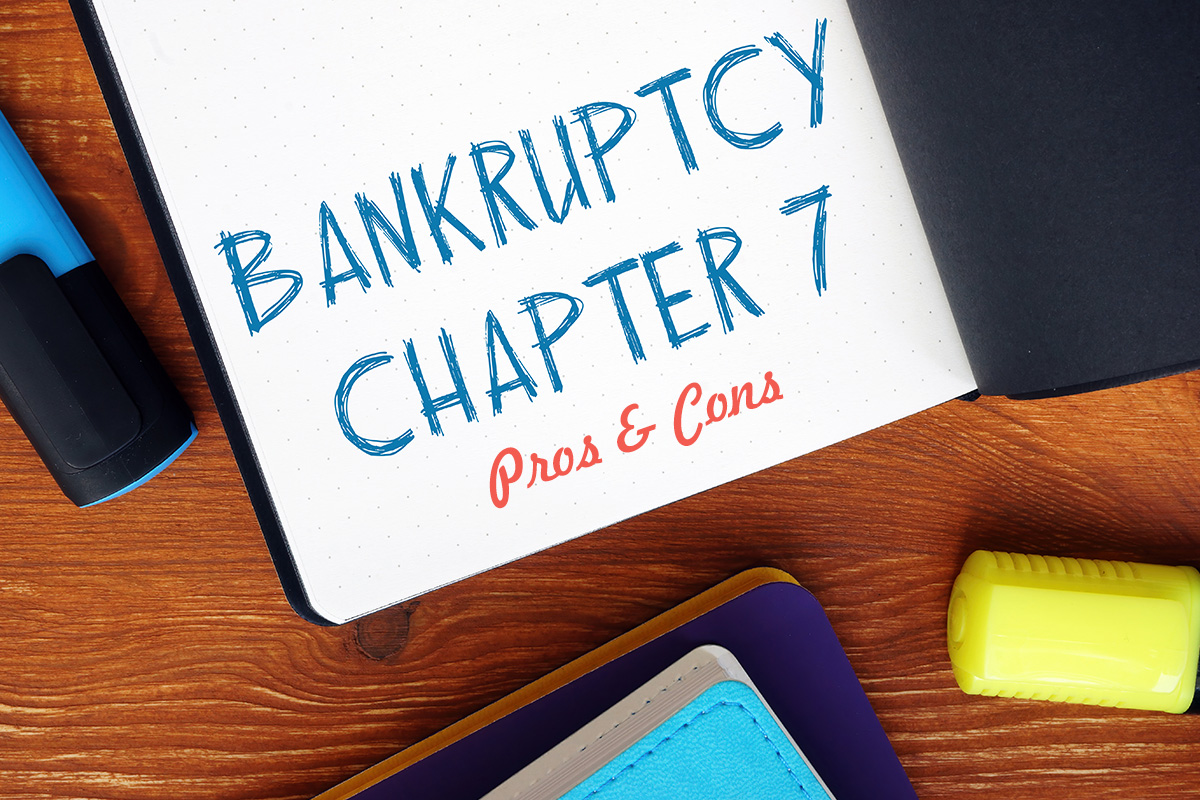
Pros and Cons of Bankruptcy

When you’re trying to decide if filing for bankruptcy is the right thing for you, your family, or your business, there are a lot of things that you should consider. Everything has pros and cons, but when it comes to bankruptcy, people tend to only focus on the negatives. Craft Law Firm is here to provide you with a list of pros and cons of bankruptcy to help you determine if declaring bankruptcy is the right choice for you.

Pros:

  • You’re granted an automatic stay, and creditors cannot pursue any payments or take action against you.
  • You’re relieved from handling multiple creditors.
  • You will have a representative to help you.
  • You could potentially keep some of your assets.
  • Your back taxes can finally be addressed.
  • It can prevent foreclosure on your home and/or repossession of your car.
  • Debtors will be forced to settle for less than what you owe them.
  • Some of your debts are entirely waived.
  • Decisions are all final.
  • It’s a fresh start for you, your family, or your business.
  • Your credit score has the potential to increase.

Cons:

  • Federal student loans are usually NOT included in bankruptcy and getting them waived is rare.
  • You could still be responsible for some of your debts.
  • If you have joint accounts (for example, you and your spouse share an account), then the other party is still responsible for the debt.
  • If you provide false or misleading information, you could face criminal charges.
  • Bankruptcy tends to be a long process.
  • You could end up losing your business.
  • Bankruptcy reports are public (but laws are in place to protect you from discrimination).
  • It will drop your credit score (but most people recover within 12-18 months).
  • You may have trouble getting loans.
  • You could lose your car with equity exceeding $8,500, or your home with equity exceeding $70,000.

If you are unsure if the Pros outweigh the Cons, sit down with an experienced bankruptcy attorney and discuss your options. Call Craft Law Offices at 252-752-0297 or visit craftlawoffices.com today to schedule your free consultation. Leslie Craft is here to help you take control of your life again.

situs togel

situs togel

situs togel

situs togel

situs togel

situs togel

situs togel

situs togel

situs togel

situs togel

situs togel

situs toto

situs togel

situs togel

toto togel

toto togel

toto togel

toto togel

toto togel

bandar togel

bandar togel

toto togel

togel online

bandar togel

situs togel

situs togel

alexkong.mx/kongferencias/

bento4d

bento4d

toto slot

toto slot

situs toto

School Zones: Tips to Protect You

Did you know there are specific rules to follow when you’re in a school zone? Here are some tips to help protect you from traffic violations while driving in and around school zones.


Know where the school zone is.

How can you recognize that you’re approaching a school zone? Typically, school zones have multiple signs signaling that you’re approaching or inside of them. These signs can be simple, like being labeled as speed limits for school zones, but some have flashing lights and speed bumps around them. These are all used to warn you, the driver, that you’re entering a school zone with different traffic regulations than the surrounding roads.

Slow down.

The signs telling you that you’re approaching a school zone more often than not will have a new speed limit posted on them. This limit is usually much lower than the rest of the road and can go as low as 10 or 15 miles per hour.

Expect more traffic.

Parents are coming to pick up and drop off their children, buses are leaving, and there are kids everywhere. Be prepared for an increase in slow-moving or stopped traffic.

Pedestrians are everywhere.

Parents, teachers, kids, administrators, everybody is leaving. Be mindful of crosswalks and remember that pedestrians have the right of way, even on unmarked crosswalks.

Be mindful of buses.

Buses will be in traffic with you, so it’s important to note them. Remember to stop when the bus has its stop sign out, and don’t try to pass the bus when it’s stopping. Watch out for students exiting the bus and crossing the road.

Obey whoever is guiding traffic.

Usually, if there’s a busy sidewalk or crosswalk, there will be a crossing guard, traffic officer, or police officer guiding traffic. The people directing traffic need to be followed over signals that usually guide traffic.


There are severe fines and penalties for disobeying traffic laws set for school zones. Some tickets can be double or triple to ensure student safety. If you were ticketed in a school zone, contact Craft Law Offices today at 252-752-0297 to see if we can help.


situs togel

situs togel

situs togel

situs togel

situs togel

situs togel

situs togel

situs togel

situs togel

situs togel

situs togel

situs toto

situs togel

situs togel

toto togel

toto togel

toto togel

toto togel

toto togel

bandar togel

bandar togel

toto togel

togel online

bandar togel

situs togel

situs togel

alexkong.mx/kongferencias/

bento4d

bento4d

toto slot

toto slot

situs toto

What they Didn’t Teach You in Driver’s Ed

Tips for New Drivers

Your baby is all grown up and driving now! Though it’s exciting, it can be stressful – here are some tips for the road that they don’t teach in Driver’s Education, but everybody should be aware of.

  1. Just because the car ahead of you has its turn signal on doesn’t mean they plan to turn or merge – they could have accidently left it on. Be careful when changing lanes to pass them so you don’t put yourself or drivers around you at risk for an accident.
  2. The highway’s left lane is used for fast vehicles and passing other drivers. If you’re going the speed limit, you should stay in the right lane. If you find yourself in the left lane and someone rapidly approaches you from behind, merge into the right lane.
  3. If your windshield wipers are on, your headlights should be on.
  4. Always use your turn signal when turning, merging, and changing lanes.
  5. Make sure to accelerate on freeways.
  6. Make sure you learn how to use a four-way stop and understand that many people don’t know how to use a four-way stop.
  7. Check both ways more than once. It won’t hurt you and ends up being beneficial more often than not.
  8. Practice defensive driving, not offensive driving. Many people don’t abide by the rules of the road, which can be frustrating. If you’re aware, you’re safer.

Craft Law Offices offers a variety of traffic services and offers a free consultation if you need us. If you find yourself with a traffic ticket in Pitt, Nash, Edgecombe or Wilson County, we can help you resolve your case fairly and quickly, contact us today at 252-752-0297.


situs togel

situs togel

situs togel

situs togel

situs togel

situs togel

situs togel

situs togel

situs togel

situs togel

situs togel

situs toto

situs togel

situs togel

toto togel

toto togel

toto togel

toto togel

toto togel

bandar togel

bandar togel

toto togel

togel online

bandar togel

situs togel

situs togel

alexkong.mx/kongferencias/

bento4d

bento4d

toto slot

toto slot

situs toto

When to File for Bankruptcy?

Are there some situations where it’s best to file for bankruptcy? Though bankruptcy does depend a lot on personal finances, there are times when it’s typically best to fast-track filing.

Times You Should Probably Declare Bankruptcy:

  1. The bank is foreclosing on your home.

Filing for bankruptcy can stop a foreclosure. Once you file for bankruptcy, lenders and creditors cannot continue collection actions – including foreclosure proceedings – against you.

  1. Your lender is trying to repossess your car.

Again, once you declare bankruptcy, there’s a pause on the collection actions against you.

  1. You moved states, and the exemptions are less favorable.

Each state has its own bankruptcy exemptions to protect you. If you’ve recently moved states and feel like the bankruptcy exemptions are more favorable, you may want to consider filing for bankruptcy.

  1. You’re being evicted by your landlord.

Just like your home and car, filing for bankruptcy can temporarily stop you from being evicted. However, if your landlord already has an eviction order from the court, filing for bankruptcy won’t help you.

  1. You want to stop a lawsuit.

This can include medical debt, credit card debt, car accident damage, or breach of contract. Filing for bankruptcy will stop the lawsuit in its tracks. However, bankruptcy cannot stop ALL lawsuits, so be mindful before filing.


It’s ill-advised to file for bankruptcy without consulting an attorney, even if you’re in some of the situations noted above! Craft Law Offices offers clients a free consultation so you can talk to a professional bankruptcy attorney about your financial future.

Don’t get stuck with debt you can’t get out of, or in a situation that will permanently affect your livelihood. Bankruptcy can offer you a new life and fresh start. To schedule your FREE consultation or learn more about bankruptcy options, call Craft Law Offices at 252-752-0397.

situs togel

situs togel

situs togel

situs togel

situs togel

situs togel

situs togel

situs togel

situs togel

situs togel

situs togel

situs toto

situs togel

situs togel

toto togel

toto togel

toto togel

toto togel

toto togel

bandar togel

bandar togel

toto togel

togel online

bandar togel

situs togel

situs togel

alexkong.mx/kongferencias/

bento4d

bento4d

toto slot

toto slot

situs toto

10 Need-to-Know NC Traffic Laws

It’s hard to know every law in your state – there are just so many of them! We’re bringing you 10 of North Carolina’s need-to-know traffic laws that you may have never heard of so you can stay safe on the road.


  1. If you’re in a minor accident with no injuries, North Carolina law requires that you move your car over to the side of the road. This allows traffic to continue and makes it safer for the people involved in the accident. Failure to abide by this law can result in fines, and you could be taken to court.
  2. You aren’t allowed to park your car on a North Carolina highway, in front of or near private driveways, intersections, or fire station entrances. This includes when you’re in your vehicle. The only reason your vehicle should be in one of these places is if it can’t move.
  3. Texting and driving is illegal, but talking on the phone and driving is illegal for drivers under 18.
  4. If you’re passing law enforcement or an emergency vehicle with its lights on, you are legally obligated to move over one lane. If you cannot do that, you are required to slow down. Failure to do so can result in a $250 fine.
  5. I’m sure you know that you’re required to wear a seat belt, but your passengers are too. If your passengers aren’t wearing seat belts, it can result in a $25 fine (front seat) or a $10 fine (back seat).
  6. You can get a ticket for going too slowly because you’re impeding traffic flow. It’s probably best to just go the speed limit to avoid tickets for driving too fast and too slow.
  7. You cannot play in traffic, including using roller skates, toy vehicles, sleds, etc. The exception to this rule is if you’re using a bike or playing in a crosswalk.
  8. If you’re in an accident that involves death, injury, or property damage of $1,000 or more, you are required to report it to law enforcement.
  9. If law enforcement or other emergency services need to remove vehicles from the road, they are legally allowed to do so.
  10. Driving through cemeteries is illegal unless you are there for a burial or visiting a lot.


Craft Law Offices is here to support you with your traffic needs. If you violate any of these laws and are now facing fines or traffic court, call 252-752-0297 for your free consultation with Leslie Craft.


situs togel

situs togel

situs togel

situs togel

situs togel

situs togel

situs togel

situs togel

situs togel

situs togel

situs togel

situs toto

situs togel

situs togel

toto togel

toto togel

toto togel

toto togel

toto togel

bandar togel

bandar togel

toto togel

togel online

bandar togel

situs togel

situs togel

alexkong.mx/kongferencias/

bento4d

bento4d

toto slot

toto slot

situs toto

Get Out of Credit Card Debt in 4 Steps

What do you do when your credit card debt is beginning to pile up more and more? Is there a way to get out of it? How? Don’t worry – here are four steps to getting out of credit card debt.


  1. Find a payment strategy that works for you (maybe even two).

Examples of this can include paying more than the minimum requirement, starting with the smallest balance and working your way up, starting with the most significant balance and working your way down, or setting up automatic payments! The great thing about these payment plans is that they’re simple for you to work out on your own and you can double up.


  1. Consider consolidating your debts.

One account, one monthly payment, one place. When you’re looking at a lot of funds with different amounts, it can get overwhelming trying to figure out what to pay where and when. Though the number of your consolidated debt may be overwhelming at first glance, it may help you in the long run.


  1. Work with your creditors.

Reach out and explain where you’re at. Your credit card issues may negotiate payment terms or be willing to offer you a hardship program – you never know until you try! Either option could lead to more affordable, less daunting numbers regarding interest rates or fees. Plus, the worst they can do is say no.


  1. Get help through debt relief.

This can include a debt management plan, a debt settlement, or bankruptcy. For credit card debt, Chapter 7 Bankruptcy can get you debt free. Chapter 13 Bankruptcy can help to restructure debts into a payment plan over 3 to 5 years and could be your best bet if you want to retain assets. Bankruptcy can stay on your credit report for 7 to 10 years, however your credit score is likely to bounce back in the months after filing. Some debts, such as student loans and tax debt, typically can’t be erased in bankruptcy.


If you’re unsure how to go about eliminating your debts or have questions about filing for bankruptcy, contact Craft Law Offices at 252-752-0297. Leslie Craft will answer all your questions during your free consultation. Call her today and let her offer you peace of mind.


situs togel

situs togel

situs togel

situs togel

situs togel

situs togel

situs togel

situs togel

situs togel

situs togel

situs togel

situs toto

situs togel

situs togel

toto togel

toto togel

toto togel

toto togel

toto togel

bandar togel

bandar togel

toto togel

togel online

bandar togel

situs togel

situs togel

alexkong.mx/kongferencias/

bento4d

bento4d

toto slot

toto slot

situs toto

Failing to Stop at a Crosswalk

“Pedestrians have the right of way” is one of the first things you’re taught in Driver’s Education. And though you may know the general rule, we’re here today to break down the laws and tell you the penalties for breaking them.

  • If there aren’t traffic signals, pedestrians have the right of way in both marked and unmarked crosswalks.
  • Drivers and pedestrians must obey the traffic signals – including stop signs and light cues.
  • Pedestrians have the right of way if they are crossing the street at a green light.
  • Drivers must yield to pedestrians if the light changes from green to yellow or yellow to red and the pedestrian is in the crosswalk.
  • Pedestrians who are blind always have the right of way.
  • If there is an intersection that has “Walk” and “Do Not Walk” signals, the pedestrian has the right of way when crossing if the signal is on “Walk,” even if they do not have a green light.
  • If there is a red flashing light somewhere other than an intersection, pedestrians have the right of way, and drivers must yield to them.
  • Drivers must proceed with caution if there is a flashing yellow light somewhere other than an intersection.

If you receive a ticket for failing to yield to a pedestrian who has the right of way (and, as you can see, they usually do). In that case, you’ll likely be ordered to pay a $100 fine with potential additional costs. Not only will you be fined, but four points will be added to your driving record, which can cause a significant increase in your insurance. If you end up with too many points on your record, you can risk losing your license.

If you find yourself receiving a ticket for failing to yield to a pedestrian or another situation where you’ll be visiting traffic court, call Craft Law Offices at 252-752-0297. Leslie Craft may be able to reduce your charge, fine, or modify your ticket.

situs togel

situs togel

situs togel

situs togel

situs togel

situs togel

situs togel

situs togel

situs togel

situs togel

situs togel

situs toto

situs togel

situs togel

toto togel

toto togel

toto togel

toto togel

toto togel

bandar togel

bandar togel

toto togel

togel online

bandar togel

situs togel

situs togel

alexkong.mx/kongferencias/

bento4d

bento4d

toto slot

toto slot

situs toto

toto togel